USA
USA


How Coffee is Decaffeinated
Are you one of those people who shies away from coffee after dinner? Or maybe your doctor told you to lay off the caffeine. Either way, today we’re covering some frequently asked questions and mysteries about decaf coffee so you’ll have a good sense of what decaf coffee is, if there are any health benefits, how much caffeine is in decaf coffee compared to your regular cup of joe, how coffee is decaffeinated and we’re throwing in some of our favorite options for decaf coffee that are packed with flavors so you won’t feel like you’re missing out on your love of coffee.

What Is Decaf Coffee?
Decaf coffee is coffee that has had its caffeine content stripped from it by a solvent. The result is a cup of coffee that contains little to almost no traces of caffeine, especially compared to regular coffee. Because the process strips the caffeine from the beans, this can also strip some of the original flavors of the coffee, which is why many coffee drinkers are averse to decaf coffee. But, there are plenty of quality brands that put lots of time and effort into making sure that you can still enjoy a cup of decaf coffee with delicious flavors and aromas. See some of our favorites below!
How Much Caffeine Is In Decaf Coffee?
Depending on the method used to decaffeinate beans, the amount of caffeine left in the beans can vary. Generally, the beans will contain 2-3% of their original caffeine content, however, some methods can remove up to 99.9% of caffeine.
How Coffee Is Decaffeinated
Coffee is decaffeinated using either of the following three methods: the Swiss Water Process, the Solvent Method, or the Carbon Dioxide Process. Each method uses a unique process to decaffeinate coffee and therefore can alter the resulting taste of the coffee. Let’s go into more detail about each method.
Swiss Water Process
Unroasted coffee beans are soaked in extremely hot water (175°F) until at least 97% of the caffeine is removed- 99% in Europe. (The standard for what qualifies as “decaffeinated” varies by country. According to the US Food and Drug Administration, decaffeinated coffee must have 97% of the caffeine removed in order for it to be classified as decaffeinated. In the European Union, the classification standards are a bit higher at 99%.) The Swiss Water Process allows the beans to retain nearly all of their flavor and aroma, unlike other methods of decaffeination. If the Swiss Water Process is used, the company will usually advertise it, for example, our Crema Wave Decaf.

Solvent Method
This method strips most of the flavor and aroma from the beans because of the method itself. Methylene chloride is used to steam open the beans and remove the caffeine, instead of water. The beans are repeatedly rinsed with this chemical and dried before roasting. It's been said the beans are rinsed up to a dozen times in the methylene chloride during this process to remove the caffeine.
For the most part, if the solvent method is used the company doesn't usually advertise it unless it is organic. This method is a relatively inexpensive way to decaffeinate coffee and doesn't require an enormous amount of technology, so there's little benefit in publicizing it.
Carbon Dioxide Process
If you are looking for more of a natural method instead of a chemical one this would be more preferred to decaffeinate the beans. Basically, water is added to carbon dioxide creating sparkling water that will act as a magnet to attract the caffeine molecules. This process is often considered a better alternative than the solvent method because the byproducts created are natural and recyclable, but still not as environmentally friendly as the Swiss Water Process. If the Carbon Dioxide Process was used, the company will usually advertise it.
So, whether you're looking to cut down on your caffeine intake, or maybe just looking for some options for entertaining, we're hoping you're feeling a bit more confident about the decaf options out there. Be sure to check out our full list of decaf coffees so you can find one that works for your coffee setup!
Shop this Blog
-
 Crema Wave Decaf is a Swiss Water Process, whole bean decaf coffee that has been blended and roasted to match the crowd pleasing notes of its caffeinated counterpart.
 -
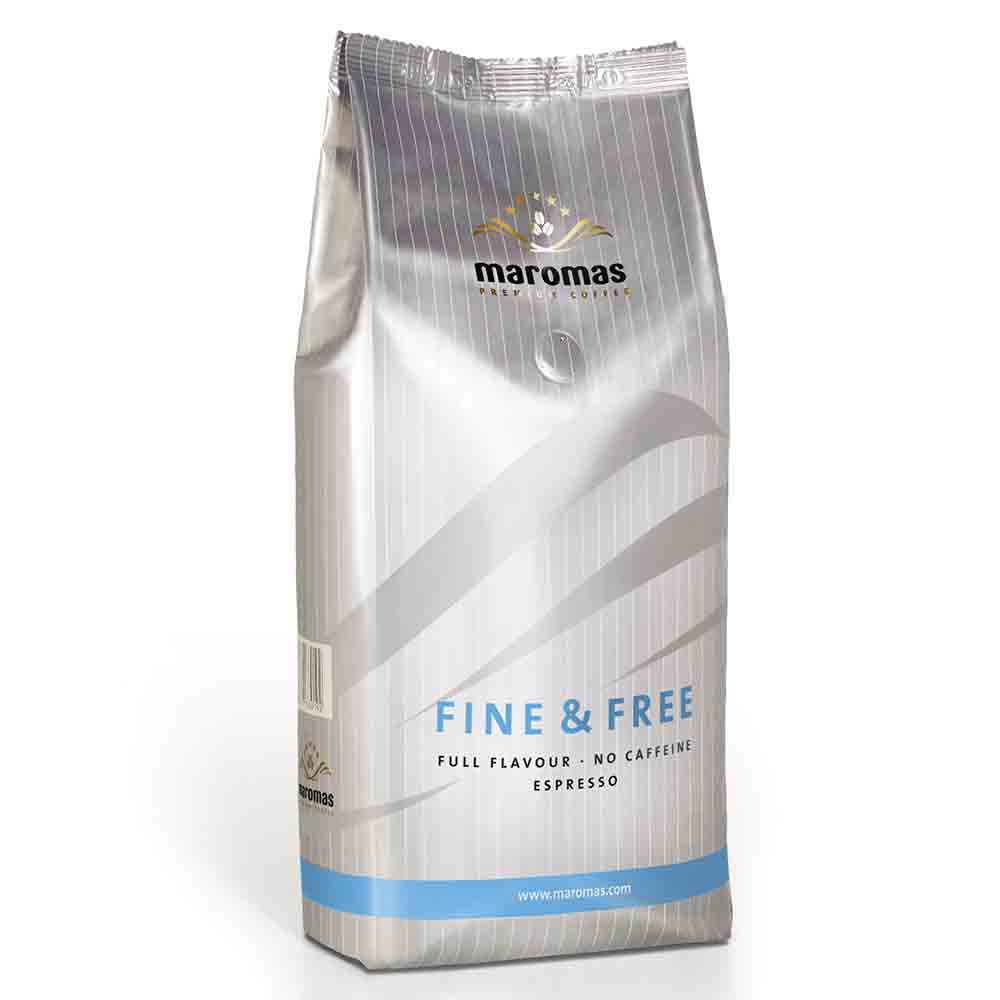 The Fine & Free blend is composed of 100% Arabica beans, which have undergone decaffeination. Maromas is using a most safe and gentle procedure. Before roasting th...
 -
 A decaffeinated, natural processed Arabica/Robusta whole bean espresso blend with a rich, thick crema and a pronounced aroma. Available in 1.1lb bags, whole bean. Sold...
 -
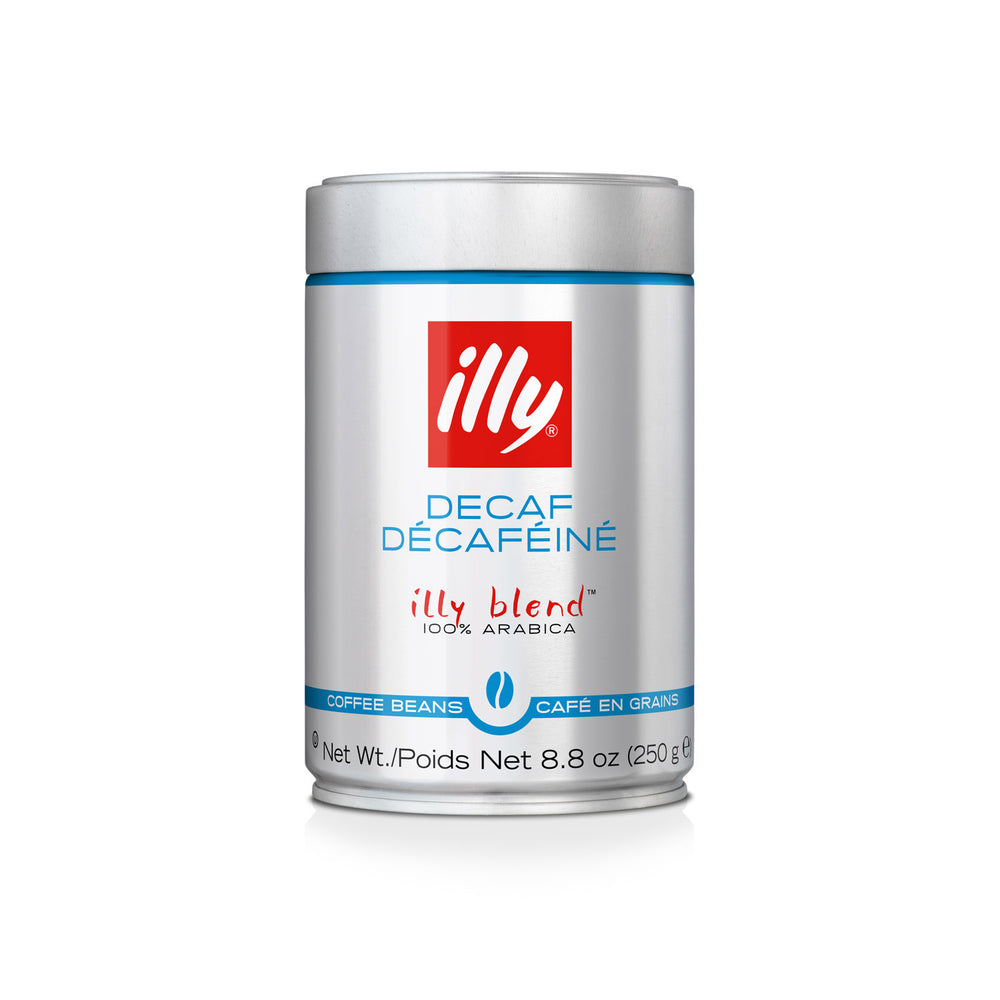 Classico (Medium Roast) Classico, classic roast coffee has a lingering sweetness and delicate notes of caramel, orange blossom and jasmine.illy whole bean coffee is th...
 -
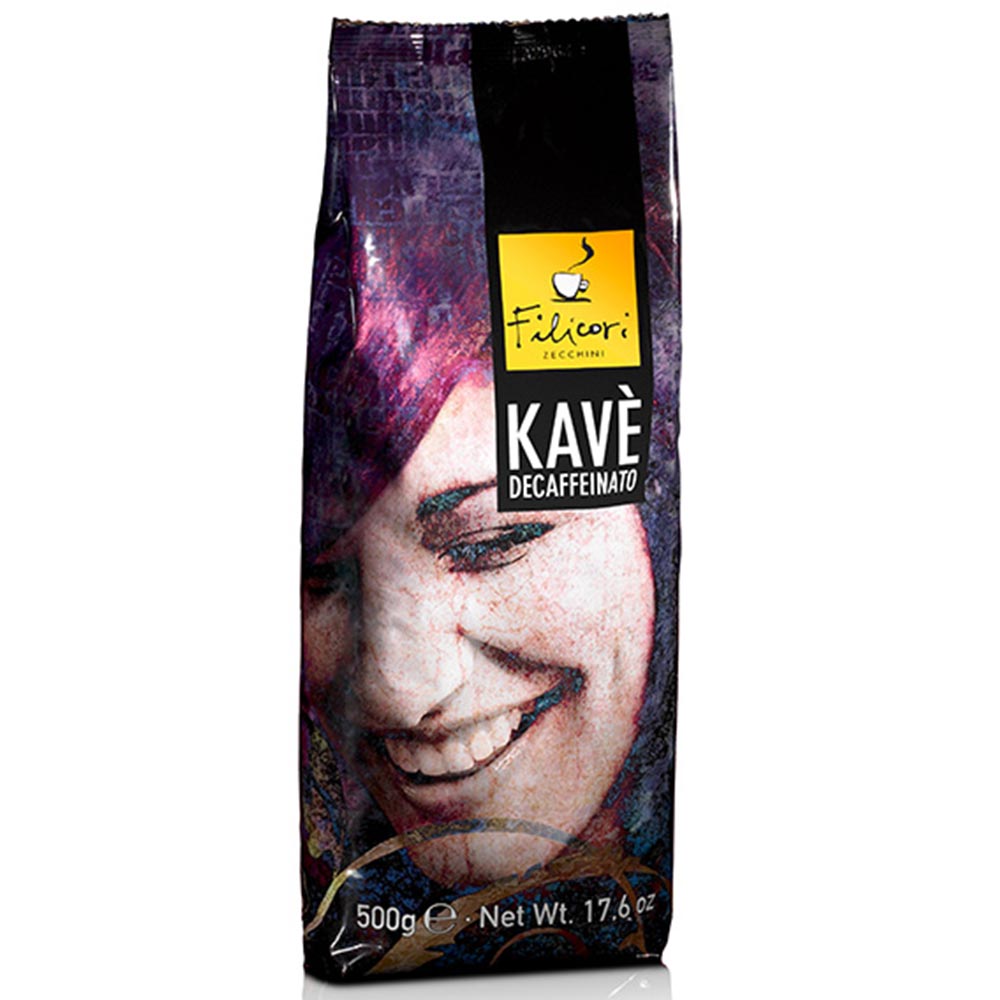 Full bodied and well balanced, Filicori Zecchini Kavè Decaffeinato Whole Bean Espresso delivers rich, aromatic beverages without the buzz. This decaf coffee has sweet ...
 -
 Carraro Tazza D'Oro Decaf, available in a 1.1 lb bag of premium gourmet coffee beans, is a decaffeinated 90/10 Arabica and Robusta blend originating from Brazil, Centr...
 -
 Danesi Caffe Espresso Decaffeinated Coffee is blended and roasted in Rome Italy of washed Arabica and Robusta coffees carefully selected to create a robust espresso wi...
 -
 Caffé D’arte Decaffeinated Espresso delivers full-flavored beverages without the buzz. This blend has great body and depth; it also delivers astonishing crema to boot....


Related Articles

Introducing Crema Wave Decaf

A Guide to Whole Latte Love Coffees