USA
USA


The Whole Latte Love Guide to Pour-Over Coffee

Pour over coffee receives a certain reverence from the coffee world. The “Third Wave” of coffee, or the “Quality Wave” as I’ve heard it called, brought on a desire for freshness, clarity, and limitless experimentation. A coffee shop that offers pour overs signals to its customers that they are committed to serving the highest quality cup of coffee they can, and as fresh as possible to boot. The best part is that you can do it at home, and the barrier of entry is far lower than buying a full espresso setup.
Before we delve too deeply into this topic, it’s important to emphasize that pour over coffee is not a monolith, and by that I simply mean that there are a wide variety of styles, techniques, and equipment available to brew it. As a brew method, pour over gives us direct control over the extraction of our coffee as we are able to directly control the brew temperature, grind size, and flow rate. By controlling these variables, we are able to influence the contact time between the water and our grounds, and ultimately the amount of “stuff” that we’re able to extract from our coffee.
What is Pour Over Coffee?

Pour over coffee is a manual brew method that involves pouring hot water over ground coffee that then flows through a filter and into a carafe or other serving vessel. Manual brewing is simply when a method requires manual involvement from a person to facilitate it. With pour over, you’ll heat your water separately, grind your coffee, and pour the water. During my time as a barista and cafe manager, I’ve noticed that customers who order a pour over are interested in a higher-quality cup than the coffee typically served from an automatic batch brewer, and are willing to wait a few extra minutes for it. With that distinction in mind, the techniques and recipes we will suggest in this guide assume that you’re using freshly roasted coffee. Many will say coffee is best within 1-2 weeks of its roast date, but I’m pretty generous with that; I’m usually pretty comfortable with a coffee up to 4 weeks off roast (even longer when it comes to espresso).
As a brew method, pour over is a bit more like espresso in the sense that your mistakes are more readily apparent for a number of reasons. The first is that everything you’re doing is visible to you. If, for instance, your flow is too fast or too slow, you’ll know immediately as you’ll be able to observe it happening in real time. Additionally, if you’re taking the time to set your water temperature, dial in your grind, and are timing your extraction, it’s likely that you’re applying much more scrutiny to your in-cup result than if you pushed a button and coffee appeared in front of you. Kind of like using a semi-automatic espresso machine instead of a super-automatic. The process becomes less of a button push, and more of an analog experience.
I do get this question sometimes, so to be clear, pour over is NOT French press. French press is what’s called an immersion method which is when the coffee and water basically just sit together for a period of time instead of water passing through the coffee. This alone can sometimes increase body. French press also typically utilizes a wire mesh to filter out the coarse grounds. Emulsified oils pass through the mesh to create a fuller body, or at least creamier mouthfeel.
There’s of course nothing wrong with this, but it does lack the clarity a paper filter offers by trapping more oils and fine particulate before they end up in your cup. What do I mean by clarity? In this case, I mean literal clarity. The lack of paper filter creates a muddy mouthfeel. It can be tough to get the full picture of the flavors offered by the coffee if your taste buds are all gunked up by solids. Aside from that, you’ll also hear coffee folks use the term clarity when the flavor notes are obvious and easily distinguishable.
How to Make Pour Over Coffee
Pour Over Brewer Design

You’ve got some immediate control over your preferred flavor just by selecting your pour over device. In general, cone-shaped brewers will accentuate acidity, clarity, berry flavors, and sometimes sour notes, depending on the coffee. A darker roast through a cone-shaped brewer generally boosts bitterness. Flat-bottom brewers are known to increase dried fruit flavors, overall sweetness, body, and sometimes floral notes, depending on the coffee. In darker roasts, flat-bottom brewers show off chocolate notes, but can also get to the woody flavors. Of course, my recommendation is to invest in one of each! That way you can try both to find out which device pairs best with your coffee choice.
Dripper Material

The material of your pour over dripper will affect how heat behaves during your brewing. If you lose too much heat, you could end up with coffee brewed at a much cooler temperature than you intended. This can affect how much you need to pre-heat your brewer, and might affect your preferred brew temperature as well. Usually, the best conductors of heat are also the materials that steal heat. So for example, metal will strip the most heat from your brew. On the opposite end of the spectrum, plastic is the least conductive material that some brewers are made of. The concern with plastic is that it might make your coffee taste like plastic, or at worst, affect your health. More recent plastic brewing devices don’t affect taste, and anything worth stocking is BPA-free.
Pour Over Coffee Filters

Depending on the type of brewer that you’re using, the type of filter that it takes will vary. The shape of the filter will depend on the shape of the dripper. Most pour over device manufacturers will list their recommended filters, sometimes even including them. It's worth it to research the dripper and the characteristics of its coffee before making any decisions on what to purchase. Some devices like the E&B Lab drip flowers are compatible with multiple filter types, while others like the FLO from Varia are compatible with wave-style filters. Read on to dive into that a bit more.
Pour Over Brewing Ratio

The ratio of coffee to water that you use for brewing pour over coffee will fluctuate based on the type of brewer you’re using, the coffee you’re using, and most importantly, your preference. When starting out, we recommend following a standard ratio of 1 to 16 until you’re comfortable enough to start deviating from this formula. I will always recommend doing this by weight, so a good example would be starting with 20 grams of ground coffee, and multiplying that by 16 to see how much water you should use. In this example, the water weight should be 320 grams.
You’re of course free to change this up, but our recommendation is to try this ratio if you’re just starting out. If you switch it up and go with a 1 to 15 ratio, I’d expect a stronger cup since you’d be using less water, but you also might find slightly higher acidity. If you went with a 1 to 18 ratio, I’d expect the opposite: a little less strength in the actual cup, but you might reveal some flavors that needed to be extracted with a little more water. Sometimes, that can spread the flavors out to create better balance.
Of course, there’s only one way to find out how each coffee will taste at different ratios, but I usually start at 1 to 16 when I’m trying a new coffee.
Pour Over Grind Size

Similar to the filters, the grind size for your pour over device will depend on the type of pour over equipment that you’re using. As a general rule, the grinding range for pour over devices will range from slightly finer than your typical drip coffee grind for methods that require more resistance from the grounds themselves, to more coarse for methods like Chemex where the filter paper is so thick that it impedes the flow of your coffee.
I doubt that most of us have a particle analyzer at home, but to be a bit more specific, most grounds for pour over are in the range of 400-800 microns (lower than 400 is creeping into espresso territory). By comparison, a pot of automatic drip coffee is often between 500-1000 microns. In my experience, I like to grind on that coarser end; about 800ish microns. This helps make sure I’m not overextracting, and while I might be doing this at the expense of strength, I also like to drink my coffee black. I don’t need the kind of strength required for cutting through milk and sugar, so instead I can just focus on my brewing technique.
The most important thing is having a grinder that can make meaningful adjustments to your grind size by offering a suitable range of grinds to switch between. You also want consistent particle size distribution so you don’t have channeling. For anybody looking to get serious without breaking the bank, we strongly suggest the Fellow Ode 2.
Pour Over Coffee Makers
Chemex

Let’s kick it off with a classic. The Chemex is a pour over dripper that dates back to 1941 and enjoyed a resurgence in popularity in the 2010’s, thanks to the specialty coffee scene’s rediscovery of the device. It’s known for its thick paper filters that produce what people commonly describe as an incredibly clean cup of coffee. The flat walls of the Chemex do less to direct the flow of water than ribbed walls and the filter paper will stick directly to them. Coupled with the thick paper, this means that the grind for a Chemex will generally need to be more coarse in order to allow water to flow properly. The beauty of the design lies in the combination of the brewer and carafe, meaning that the Chemex is a two-in-one device for both brewing and serving coffee.
Since the 2010’s, specialty coffee folks gravitated towards pour over devices that take thinner filters. The critique was that the thick paper filter strips so much, maybe too much, out of the coffee. In the same way that a French press was too muddy for some folks, they also began to think the Chemex was too clean. To me, the Chemex doesn’t go out of style. The thick paper filter is quite forgiving, so you don’t need to be the most seasoned barista to make a decent one. Even if you don’t have the greatest grinder, the Chemex will still treat your coffee kindly and produce a clean cup. Enjoy a single cup from the slim, glass-handled 3-Cup Chemex, or brew for your friends with the 8-Cup or 10-Cup Chemex. Note that the 8 and 10-cup Chemex take the same filters, but the 3-Cup will need a different, smaller filter.
E&B Lab

Flower Dripper Cone-shape/Chemex/Wave
Made by E&B Lab, a division of the IMS company that is dedicated to crafting high end manual brewing devices that are made in Italy, these flowers are some of the most elegant drippers in our catalog. These uniquely designed stainless steel flowers are compatible with both Chemex and V60/Cafec cone-shaped filters, allowing you to take your pick when it comes to brewing in your preferred style. A separate flower designed for use with Wave filters is also available. These are fairly minimalist drippers and have very limited contact with the filters, meaning that they will not rob much heat from the water, nor will they heavily influence the flow of water. They look best when paired with an E&B Lab drip station.
Dripper Cone and Stand
The only mesh metal filter to make an appearance on this list, E&B Lab’s Dripper Cone and Stand is a two-in-one device that combines a pour over brew stand with a filter cone. This design allows it to comfortably sit on top of cups, brew stands, or carafes, allowing it flexibility when it comes to integrating into your brew setup. Additionally, the dripper cone can be detached from the stand via three nuts which hold it in place, allowing you to adapt it for use in brewers like the Chemex.
Compared to other methods, the stainless mesh will generally provide less resistance than a paper filter, meaning that you will want to grind a bit finer than you typically would in order to maintain a similar flow to what you’d expect from a paper filter. In the cup, expect more oils and a texture a bit closer to French press thanks to the lack of paper filter. For best results, you’ll want to make sure that you clean the screen regularly to prevent the buildup of grounds and coffee oils. In the event that they do build up, a rinse in a solution of hot water and Urnex Cafiza will work wonders.
Varia FLO

Varia’s FLO dripper (FLO standing for Flexible Liquid Output) is one of the newest entries into the pourover world. It’s a flat-bottom dripper compatible with most wave filters and features double-walled stainless steel, so it’s cool to the touch, even while brewing. The defining point of this dripper is the interchangeable FLO disks that change the drawdown time and pathway the water takes through the coffee bed. Just by changing the disk on the bottom of the dripper, you can discover new flavors and textures to your pourover, without even changing your grind size, technique, temperature, or brew ratio. Simply twist the dripper to remove a disk and place another one on the base. Then re-twist to lock it into place. The FLO comes with 3 disks in the box and 4 more can be purchased separately, so there’s no shortage of variables to play with.
Check out this video on our YouTube channel starring yours truly, all about the FLO. For even more in depth testing and information, check out this article I put together about this incredibly versatile flat bottom dripper.

Changing Flavors with the Varia FLO Dripper
Kinto

Kinto’s OCT brewer is a Japanese-made ceramic cone-shaped brewer with ridges along the inside that point straight down, as opposed to the Brewista Tornado, whose ridges make a spiral pattern. The curve at the top of the brewer is both a design choice and a functionality advantage; the lack of a handle adds to its elegance, but after brewing, the curve makes it easier to remove filters and safer to lift the brewer off of the server. Kinto’s SCS paper filters are a bit thicker than Brewista Cafec filters, offering more clarity, pronounced acidity, higher extraction, and increased sweetness. The angle of the Kinto OCT can also accommodate other cone-shaped filters like Brewista Cafec filters and many others. We carry many Kinto products including cups, saucers and servers, so if you’re looking to add some elegant flair to your bar, have a look at our highlight of Kinto’s lineup.

KINTO Coffee and Teaware
Saint Anthony Industries

The “70 Series” of Saint Anthony Industries pourover devices all feature a 70 degree angle on the dripper walls; a slightly steeper angle than the popular Hario V60. The idea behind the steeper angle is to discourage grounds from hanging onto the sides of the filter (we call these “high and dry’s.”) Saint Anthony Industries has ceramic drippers, a glass dripper, and a metal dripper, so this is a great opportunity to have a quick chat about those material differences.
F70
The F70 is a ceramic flat-bottom dripper, compatible with F70 Perfect Paper Filters. Ceramic low thermal conductivity, so it takes quite a bit of hot water to pre-heat it. But the good news is that once you’re pre-heated, the thick ceramic walls will hold on to that heat quite well. This makes the F70 a good insulator, meaning it’ll keep your brew hot during the brewing process. The flat bottom can accentuate sweetness and body, and I’d expect an even extraction aided by the insulation of the ceramic walls.
C70
The C70 is also a ceramic dripper, but it’s cone-shaped and takes C70 Perfect Paper Filters. Again, be prepared to pre-heat this pour over vessel with a good amount of hot water since ceramic’s thermal conductivity is pretty low. The C70’s cone-shape will boost acidity and clarity, and the steep 70 degree angle will help keep grounds off the edges and stay in the brew bed.
G70
The G70 is a glass dripper that also takes C70 Perfect Paper Filters. It’s reminiscent of the Chemex design with a built-in carafe, so if you like the design of the Chemex but don’t want a thick filter, the G70 is for you. Glass is pretty similar to ceramic in terms of thermal conductivity, but while I still recommend pre-heating it with some hot water, you shouldn’t need quite as much since the walls of the G70 aren’t quite as thick as most ceramic brewers.
Phoenix70
Last but not least, the Phoenix70 takes the 70 degree angle and combines the idea behind the E&B Labs drippers. With no walls around it, there’s no other materials to steal heat from your brew. This worries some, but you could make a case that it’s more consistent. My theory there is that in order to be truly consistent, you need to pre-heat your pour over vessel to the exact same temperature every single time. Personally, I’m not in the habit of taking a temperature reading of my pour over device before I add coffee and brew with it. With (pretty much) no walls around the Phoenix70 to pre-heat, you’re one step closer to consistency from brew to brew. The Phoenix70 takes, you guessed it: P70 Perfect Paper Filters.
notNeutral Gino

The notNeutral GINO Dripper is a double-walled flat-bottom glass dripper that uses wave filters to achieve an evenly extracted cup. Cool to the touch even while brewing, the double-walled glass will also help retain heat during brewing. Since you can see through the brewer, I find it pretty comfortable to just place the Gino on top of a cup like the notNeutral LINO mug and brew straight into the cup (although I love the Gino Server). The 3-holes at the bottom of the dripper restrict the flow of the coffee exiting the dripper just enough to ensure the grounds have time to fully interact with the brew water. This dripper is not only compatible with its own GINO Paper Filters, but also a number of other wave-style filters, including Kalita filter #185 and Tiamo filter #02.
Brewista
Brewista Tornado

The Brewista Tornado is a cone-shaped dripper with thin-ridged interior design that promotes proper percolation and thus, a more full-bodied cup. This is yet another double-walled dripper, helping protect your fingers as well as retain heat inside the brewer. This device is a favorite of our mentor and occasional collaborator, Danilo Lodi. Danilo is a World Barista Championship Head Judge and World Barista Champion Trainer. He’s made me many a cup to gather feedback on recipes he’s working on, and I often see him working with the Brewista Tornado. The Tornado can take most cone-shaped filters, but I recommend the Brewista CAFEC Cone-shaped Disposable Abaca Coffee Filters which do not need to be rinsed as they are known to not impart a papery taste.
Brewista Smart Brew Porcelain Cone Steeping Filter

The Brewista Smart Brew is a cross between an immersion device and a cone dripper. There’s a shutter at the bottom that will keep all of the liquid in the brewer so none of it will drip through. When you’re ready to release the brew into your cup, just move the lever counterclockwise and the coffee will drain through the cone-shaped filter. This hybrid of brewing methods can create a full body while allowing for clarity. One of my teammates in the Whole Latte Love office has been making us some awesome iced coffee with this brewer. Check out the recipe:
- 17.5 grams of coffee, ground medium-fine (let’s call it 650 microns)
- Pour 50g of water with shutter open and leave open for a full minute
- At the 1:00 mark, close the shutter and pour 100g
- Let it sit (or “immerse”) until the 3 minute mark
- Open the shutter to drain (drawdown should finish at around 3:30-4:00)
- Swirl carafe and cool for 2 minutes
- Add 100g ice
- Swirl carafe for 30 seconds
- Pour and enjoy
Ceado Hoop

Here’s an ingenious device! The Ceado Hoop utilizes a circular paper filter that gets secured into the middle of the brewer by the removable “Filter Tower.” After your ground coffee is added to the Filter Tower, simply pour your desired amount of water into the outer ring, called the “Water Crown.” All of the brew water will pass through the coffee via perforations in the outer ring, saturating your coffee bed evenly. While the Ceado Hoop doesn’t allow for much variation in your pouring technique, many users find it a bit quicker, consistent, and convenient to just focus on your grind size, brew ratio, and water temperature.
While limited in technique, there’s plenty of “pro-tips” to try with the Ceado Hoop. Try adding TWO circular paper filters to extend the brew time a bit and enjoy some further clarity. You can also increase extraction by stirring the slurry or swirling the entire device, two classic agitation methods. Feel free to grab the E&B Lab Aeropress Filter Screen and give it a try for a cup with more oils and other materials, reminiscent of French press coffee or a cup brewed with an E&B Lab Metal Dripper Cone.
Shop Brewers
-
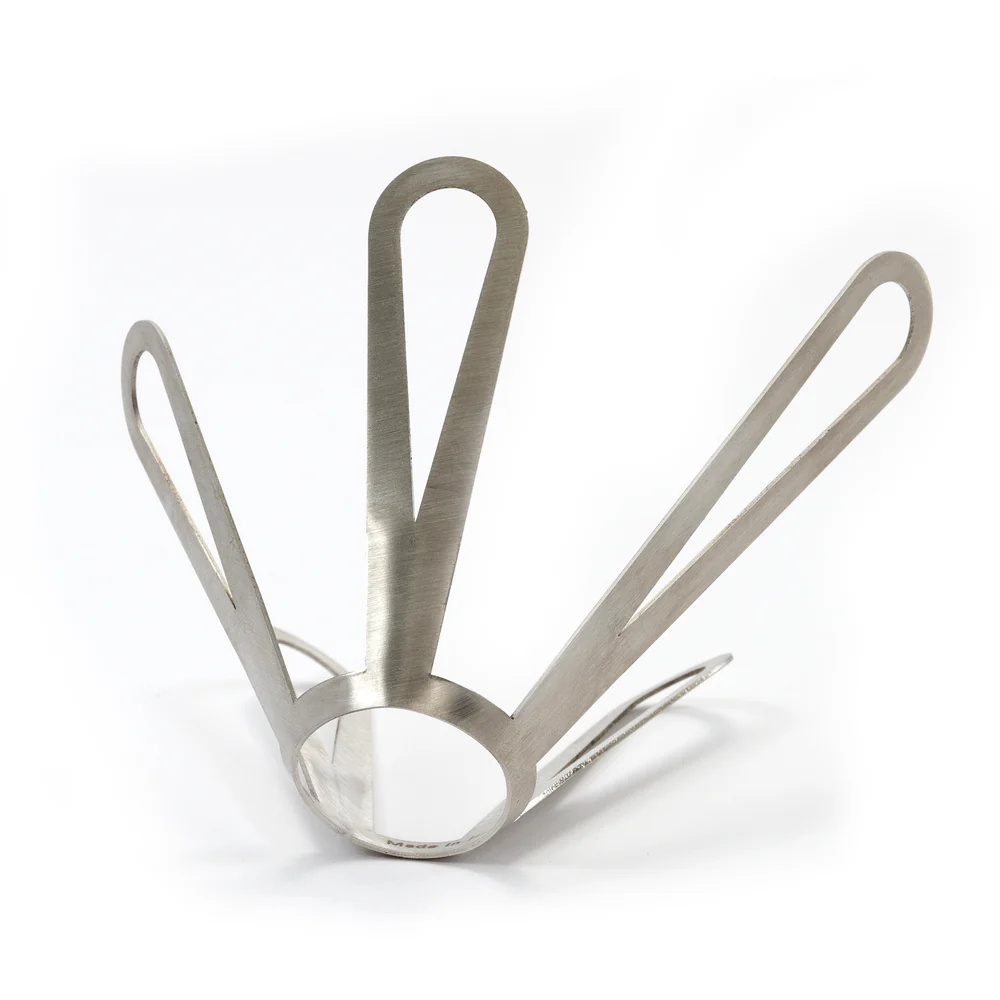 Owning the E&B Lab Flower Dripper - V60/Chemex Unique and Italian-made, E&B Lab’s Flower V60/Chemex filter was designed to house Chemex and Hario paper filters...
 -
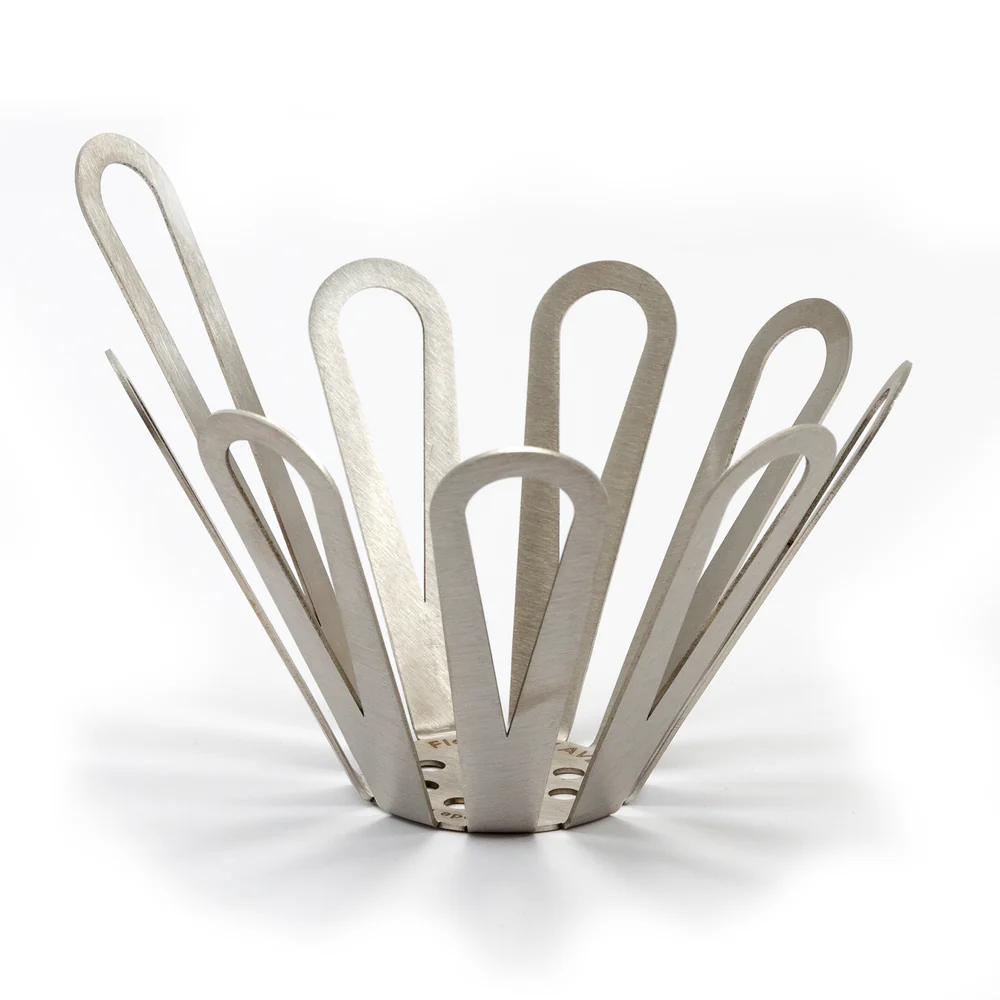 E&B Lab’s Flower Wave filter was designed to house Kalita Wave paper filters. The unique, Italian-design prevents changes in the coffee’s temperature and grips the paper filter to further support the brewing process.
 -
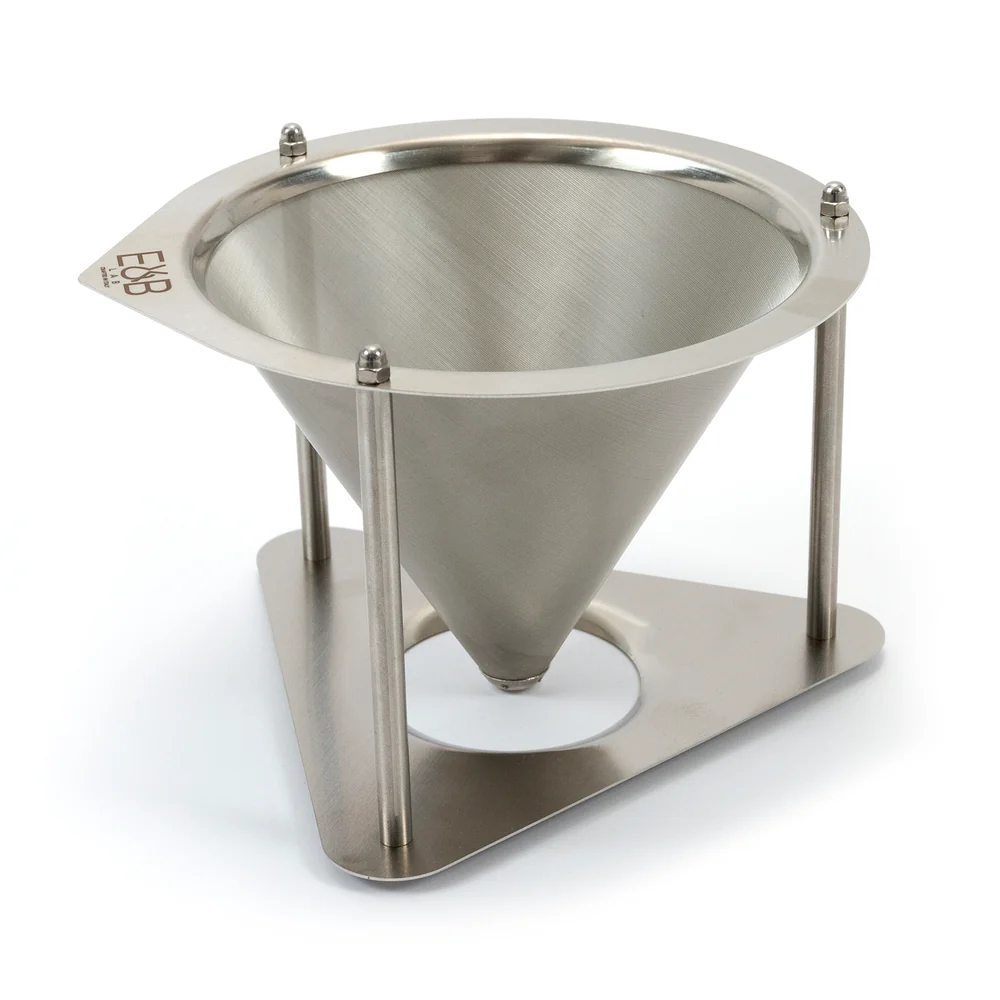 Complete your Set-Up with the E&B Lab Dripper Cone and Stand E&B Lab’s Cone Dripper gives you the flexibility to brew your favorite coffee with convenience and...
 -
 The Varia FLO is a revolutionary coffee dripper with interchangeable center plates that can be swapped out to influence the rate and direction of water flow during extraction.
 -
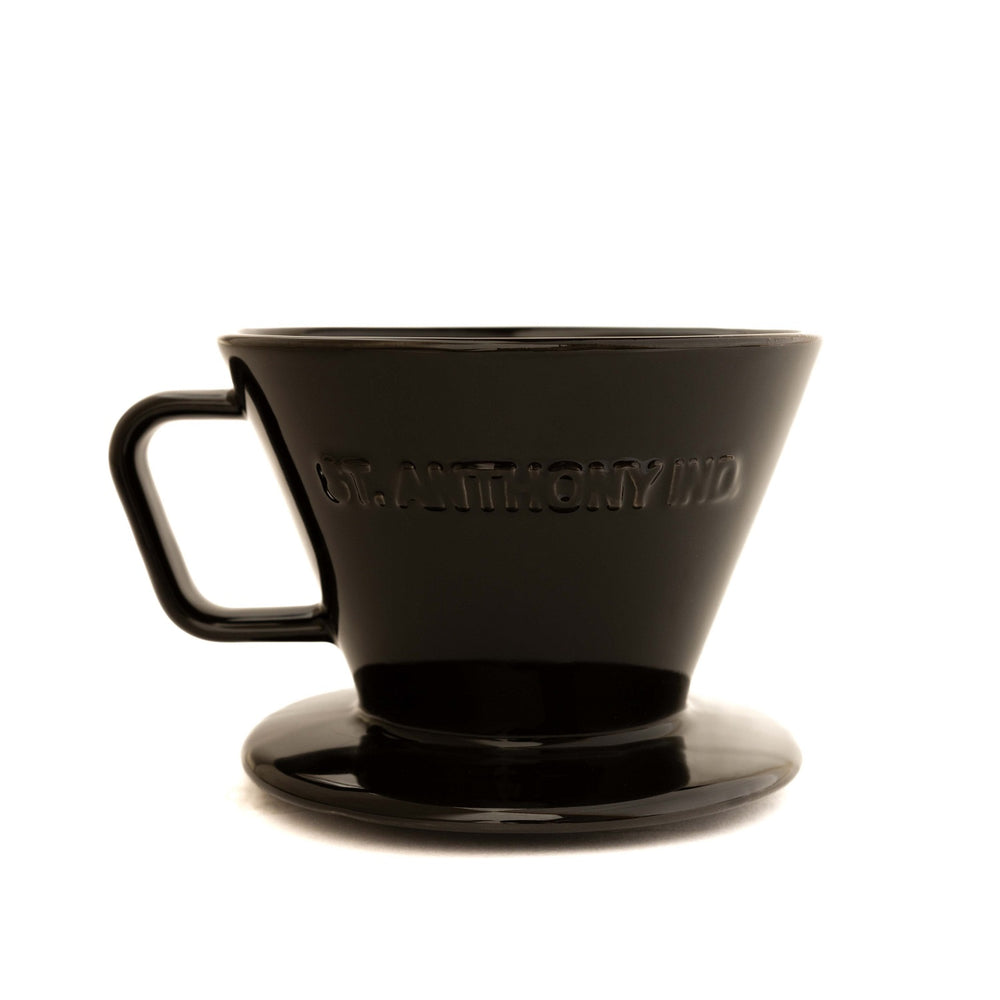 Enjoy the simple life with the F70 Ceramics Flatbottom Pourover Brewer from Saint Anthony. While it’s short and wider shape may not grant users full versatility, it ensures consistency between pours for a comparable cup every time.
 -
 The C70 Ceramic Pourover Brewer from Saint Anthony is a gorgeous piece of pottery and practicality. With a 70 degree shape, the pourover has a 30% taller brew column than most standard filters. What this does is increase the contact between water and coffee grounds for higher extraction efficiency, plus a clean finished cup.
 -
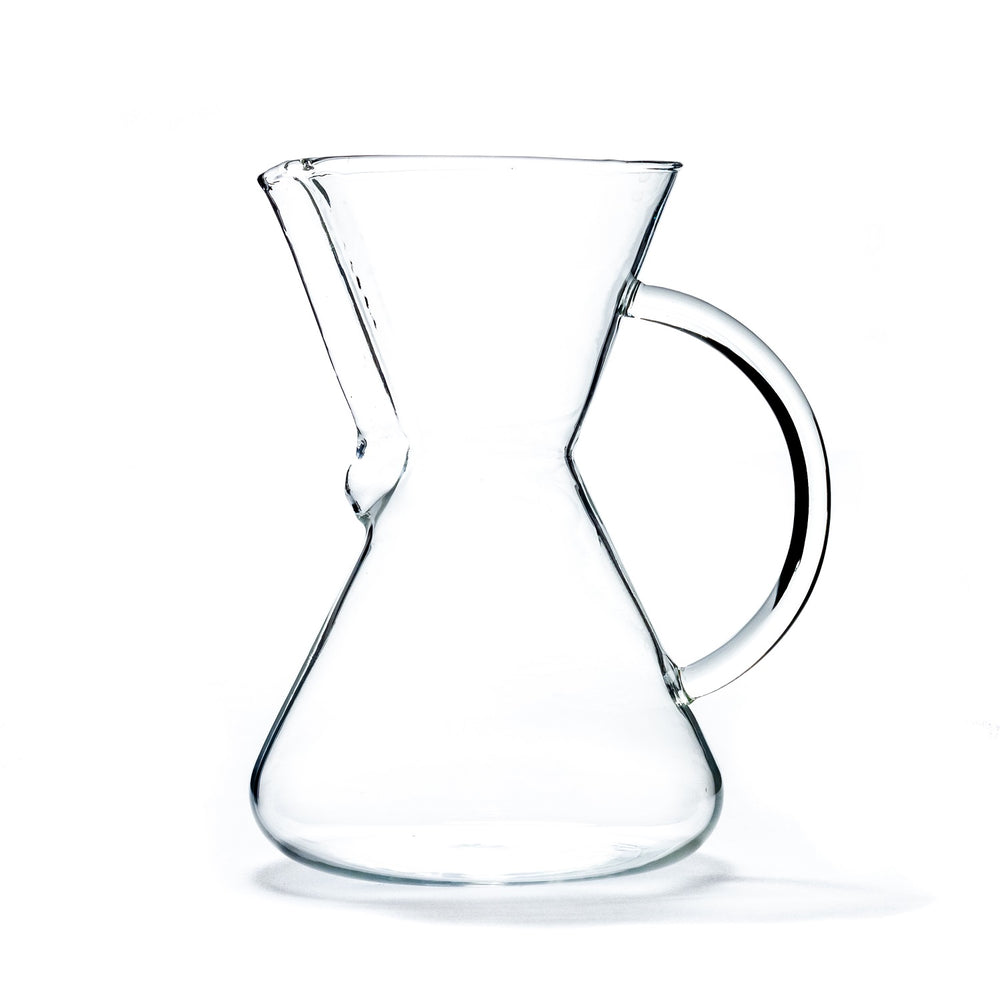 With a gorgeous hourglass shape, the G70 Pourover Coffee Vessel feels and looks high class. Made of hand blown Borosilicate glass that is both heat resistant and dishwasher safe, this product is highly functional for the pour-over lover.
 -
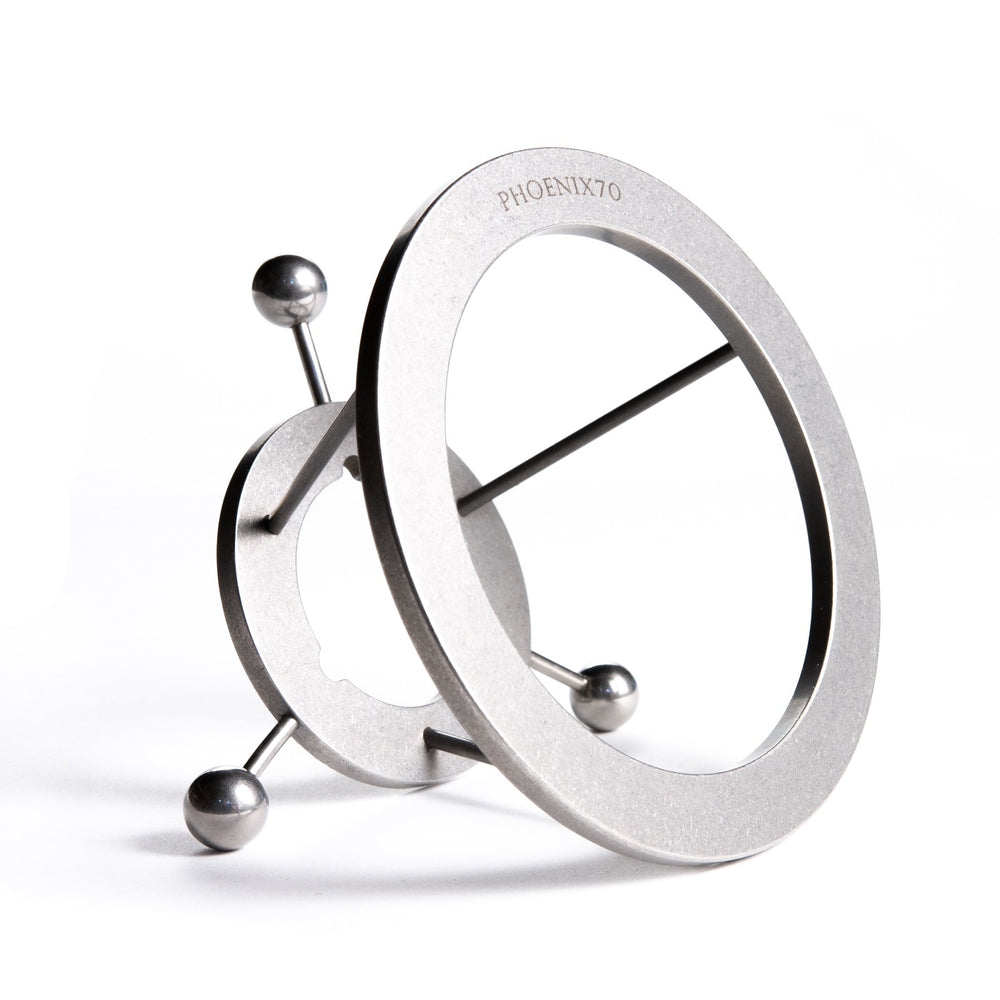 When it comes to pour-overs, add a piece of style in with your choice of coffee dripper! The Phoenix70 Pourover Coffee Dripper from Saint Anthony’s combines geometry, physics, and chemistry to best support your paper filter of choice.
 -
 The NotNeutral GINO Dripper features laboratory-grade, heat- and scratch-resistant, lightweight, double-walled, borosilicate glass that is dish-washer safe.
 -
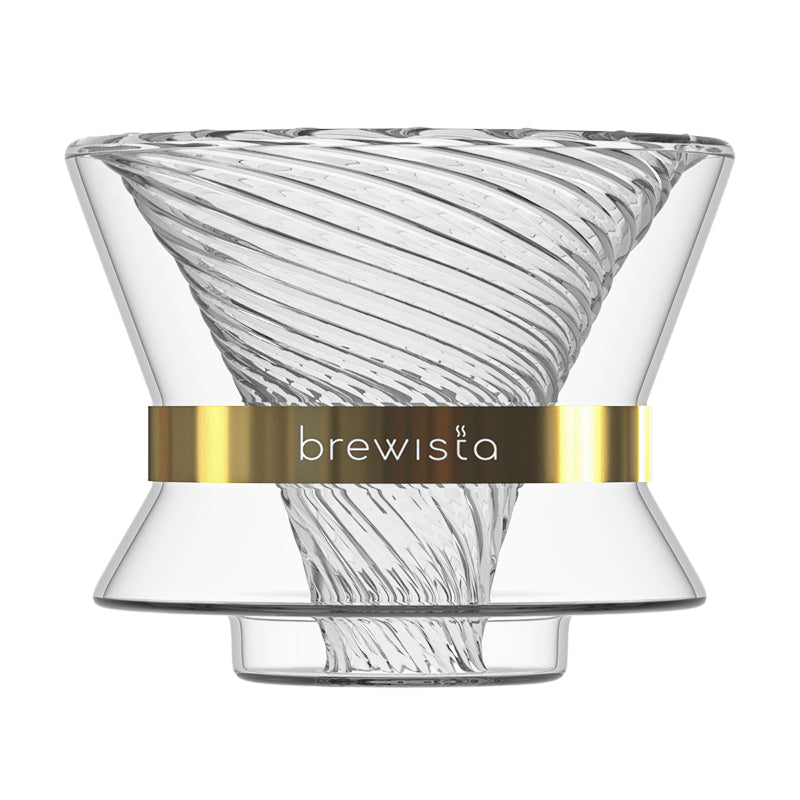 The Brewista Tornado Double Wall Glass Dripper is a gorgeous brewing device that’s equal parts cool and practical. The 18 rib design slows the water during pour overs for more robust extractions and the sealed design makes cleaning a breeze.


Gooseneck Kettles Are The Best Pourover Kettles

Because you’re going to be pouring hot water over your coffee to brew, you will need some kind of vessel (most commonly a kettle) to heat and pour it. When it comes to successful pour over brewing, you want to be able to control the flow of water to maintain a constant rate and depth of water inside of your dripper. Most kettles have standard spouts and they are better suited for use with something like loose leaf tea or a French press.
For pour over coffee you’ll want to use a gooseneck kettle to control the flow of your water. Gooseneck kettles take their name from the long, S-shaped spout that connects to the base of the kettle. The length of the spout makes it much easier to control the flow of water as it has a much greater distance to travel. As a result, this design has become the preferred style for brewing pour over coffee. From there, we can divide gooseneck kettles into two categories: stovetop and electric.
Stovetop Kettles

A stovetop kettle is a manual kettle that is heated by an open flame or other type of stove. Typically, these are the most affordable styles of kettles and they are great for starting out. Advantages of stovetop kettles are their lower price point, durability, and simplicity. There are no mechanical or electrical components that can fail, so these kettles are in it for the long haul! When brewing with one of these types of kettles, it is helpful to purchase a separate thermometer in order to avoid burning your coffee and to aim for 200°F ± 2° before brewing. The Fellow Stagg solves this problem as it comes with a built-in thermometer right on top of the lid.
Electric Kettles

Electric kettles use heating elements to heat water for brewing. Depending on the style of kettle, they may simply boil the water, though most offer the ability to program your desired temperature or to heat to preset temperatures. These types of kettles are the most predictable and easy to use when it comes to getting repeatable results while brewing. You don’t have to worry about the water getting too hot in programmable kettles and they are often coupled with timers to help with achieving proper brew times.
Fellow’s lineup of Stagg EKG Kettles have a range of abilities, starting from the simple ability to set your desired temperature, utilize a built-in timer and 60-minute holdfeature. From there, you’ll find Stagg EKG+ connecting to Acaia scales and the Acaia app. You can schedule the Stagg EKG Pro to turn on and climb to a target temperature at a certain time of the day, among other features. The Stagg EKG Pro Studio edition will even download updates via Wifi. A similar option, the Varia Smart Kettle Flux, offers another ergonomic handle configuration, 90-minute hold time, and the ability to pour faster if you prefer a bit more agitation in the coffee bed.
Electric kettles are more complex and more expensive than stovetop kettles, meaning that they offer a higher barrier to entry, and must be maintained more delicately. Kettles can build up limescale on the inside which can interfere with the temperature probe. Regular descaling will help to ensure that your kettle is functioning at 100%.
Pour Over Coffee Scales

Having the right tools for the job is one of the most important aspects of coffee brewing, and pour over is no exception. Following brew recipes is an important part of achieving consistent in-cup results with any form of coffee preparation, but with pour over it’s even more important. When brewing pour over coffee, not only do you need to be aware of the amount of ground coffee and water that you brew with, but you also need to keep track of your total brew time and your flow rate. Part of the equation is pouring specific amounts of water within a certain time frame, so using a scale that tracks both weight and time is essential for achieving best in-cup results.
When it comes to specific pour over scales, we’re pleased to offer options from Acaia, Varia, and Brewista that we’ve outlined for you below:
Acaia Pearl Coffee Scale
The product of Kickstarter and a lot of passion for coffee brewing, the Pearl is the first scale from Acaia, impressive with both its features and its form factor. The Pearl features a very no-frills approach to design with a clean weighing surface that wraps around the edge of the scale. Soft LED text displays both weight within 0.1g increments and time within seconds. The Pearl features numerous improvements including 20ms response times, a 20-30 hour rechargeable battery, bluetooth connectivity to the Acaia App, and 6 different operating modes. The Pearl’s weighing surface is large enough to comfortably accommodate both pour over devices and French presses alike.
Acaia Pearl Model S Coffee Scale
Acaia developed the Pearl Model S to build upon the success of the standard Pearl while reorienting the scale for use as a pour over specialist. The Pearl Model S now features a real-time flow-rate display to show flow, time, and weight all at once, a feature that’s a huge plus for precision pour overs. Just like the Pearl, the Pearl Model S measures in 0.1g increments and time within seconds. The screen has been updated with an LED dot matrix display that has been optimized for visibility in different lighting. It features 9 modes including pour over coffee practice mode and portafilter mode. Connectivity to Acaia’s coffee brewing guides via the Brewguide app make the Pearl Model S the perfect choice for anyone looking to take their pour over to the next level.
My take on the Model S: After making so many pourovers in my life, I don’t need quite as much of a pour over guide as the Model S offers. But what I will always love is its flowrate mode. That feature will always help me maintain a consistent pouring rate, and I think it’s an underrated feature of this scale.

Varia AKU Scale
Varia’s AKU Series scales get some hefty use around the Whole Latte Love office. The base model, known as simply Varia SKU Scale, is simple, compact, water-resistant, and accurate to a tenth of a gram. Although its footprint is small, you can still fit a pourover carafe on the weighing plate with no problem. I use the auto-start feature often, so the built-in timer starts right when I begin pouring water over my bed of grounds. As far as its build quality and sturdiness, the AKU Scale is rated for up to 3,000 grams; more than you’ll need for most coffee applications.
Varia AKU Pro Scale
The Varia AKU Pro Scale is the most feature-loaded of the AKU series, and is my personal favorite scale in our catalog. Like the AKU Scale, the AKU Pro is also water-resistant, and unlike the AKU Scale, it’s accurate to .01 of a gram! The easy-to-read OLED screen displays in customizable colors, its weighing reaction time is even quicker than the AKU Scale, and the overall footprint is a bit wider, making it easier to fit carafes (or even portafilters). This scale also gives you a live readout of your water flowrate, but perhaps the most impressive and useful feature is AKU Flow mode. In this mode, AKU Pro will give you a live readout of your brew ratio. I find this especially useful as someone who likes to experiment with different ratios outside of our standard 1:16 ratio we discussed earlier. Oh, and the flowrate readout featured on the Pearl Model S? There’s a version of that in the AKU Pro Scale as well.

Brewista Ratio Pour Over Scale
One of the best-value pour over scales, the Brewista Ratio will calculate your coffee-to-water ratio, and even water flow speed. The Ratio Scale features a digital screen that lights up, auto-off to save battery, a silicone slip-proof mat, and both automatic and manual timing modes. I think the hexagonal design is pretty cool, myself!
Brewista X Series Scale
This scale is all about simplicity. Its slim profile can fit under portafitler spouts, but for what you need to know today, the large base can easily fit a pourover carafe – even an entire 10-cup Chemex. Just a few buttons make the X series scale easy to understand: Power, timer start, and tare. The Bluetooth button will connect with the Brewista app which is currently in development.

Shop Scales
-
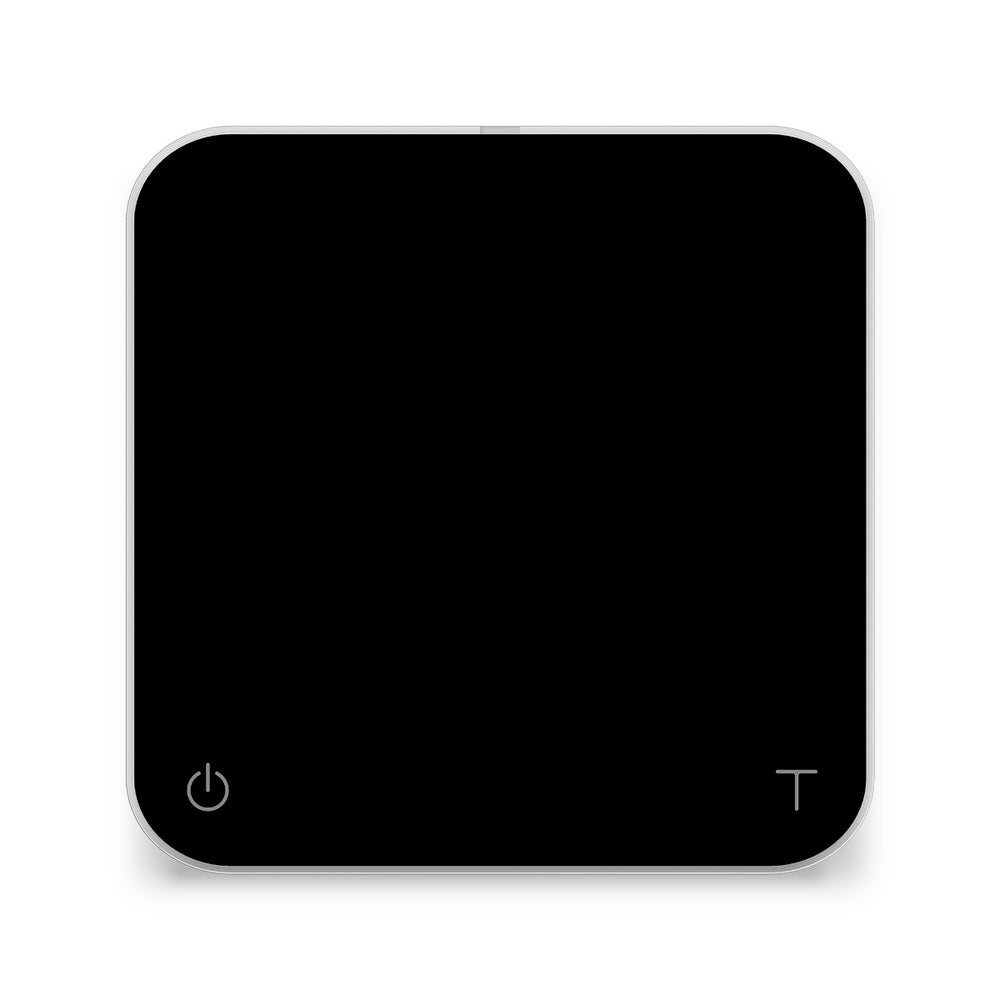 A scale for the pro, the barista, and the discerning coffee lover at home, the Acaia Pearl offers precision you could only find in a lab. Now, cafes the world over are coming to rely on this scale to deliver cutting-edge results in the cup.
 -
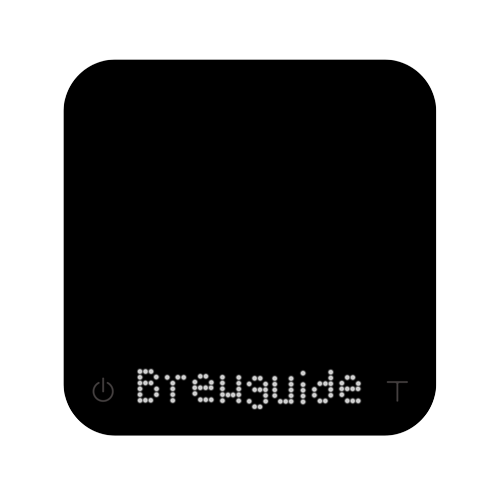 The Pearl Model S is a premium brewing scale from Acaia, featuring live flow rate tracking, Brewguide app integration and voiced notifications to guide you through brewing in real time.
 -
 The AKU scale from Varia is a compact and precise coffee and espresso scale with a waterproof design and 0.1 gram accuracy. Its aluminum housing imparts a premium tactile feel not found in competing scales at this price.
 -
 Fully Bluetooth compatible and packed with helpful features like auto tare, auto time, first-drip recognition, and dedicated espresso and pour-over brewing modes, Varia’s AKU Pro scale is both versatile and powerful.
 -
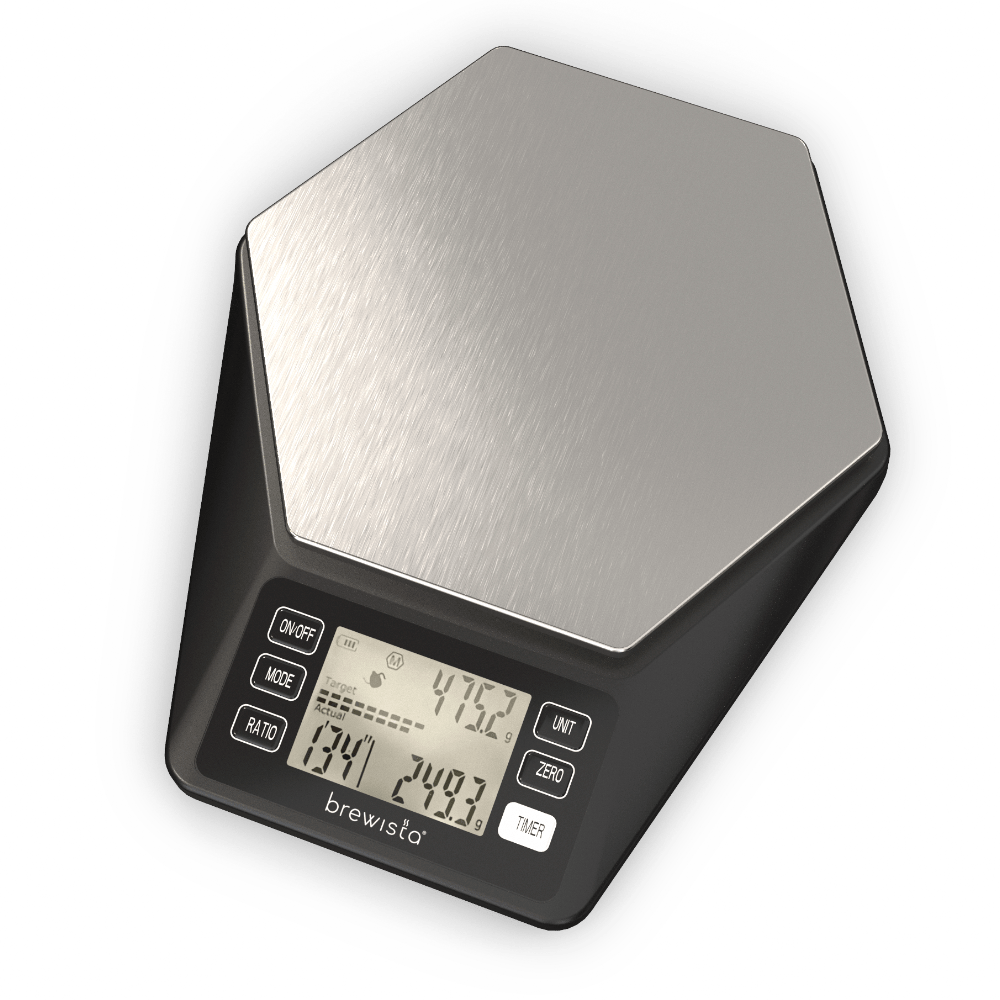 The Brewista Ratio Scale is a multi-purpose stainless steel hexagonal scale with an innovative sensor that precisely calculates coffee to water ratios and even water pouring speed.
 -
 The X Series by Brewista is a versatile scale designed for ultimate simplicity and ease of use with espresso and pour-over brewing: it’s slim enough to fit under a portafilter spout with a large enough weighing platform to accommodate even large-scale pour over brewers.


Servers

You can always brew directly on top of your coffee mug, but there’s a lot I like about a nice glass server. I always get worried that I’m going to overfill my mug, even if I know my recipe well enough to know it won’t. Aesthetically, I just like to see my coffee through the glass dripping out of the brewer. But in terms of flavor and temperature, I like to swirl and stir my coffee a bit to get the layers incorporated. Decanting it into my mug cools the brew off a bit so I don’t scorch my tongue, which would make me unable to taste anything I just worked for. As far as server options go, I typically decide by whichever one looks cooler. I know that’s not very scientific of me, but I can focus on the cool factor occasionally, right? Have a peek at some options below.
E&B Lab Drip Station - Stainless Steel

Crafted in Italy by E&B Lab, this stainless steel drip station is the perfect solution for anyone looking for a functional and modern pour over station. Comprised of a one-piece steel frame, finished wood, and a removable drip tray, the E&B Lab drip station can accommodate a wide variety of pour over drippers, including E&B’s drip flowers and cone. You can put your scale on top of the base and measure the yield of your pourover, or you can put the entire drip station on some larger scales like the Acaia Pearl. The drip station is also capable of supporting Aeropress brewing, adding greater flexibility to its design.
Shop Servers
-
 The Brewista X Series Glass Server takes inspiration from wine decanters to provide even oxygenation for perfect flavor. Available in 400, 500 and 700ml sizes.
 -
 Hand-blown from sturdy, borosilicate glass, Varia’s 0.6L single-walled glass server is the perfect companion to their FLO dripper.
 -
 E&B Lab Hand Blown Glass Server The Hand Blown Glass Server is made of borosilicate glass which prevents thermoshock when brewing coffee. You can safely brew your ...
 -
 Hand-blown from sturdy, borosilicate glass, Varia’s 0.4L double-walled glass server is the perfect companion to their FLO dripper for those who brew in smaller batches.
 -
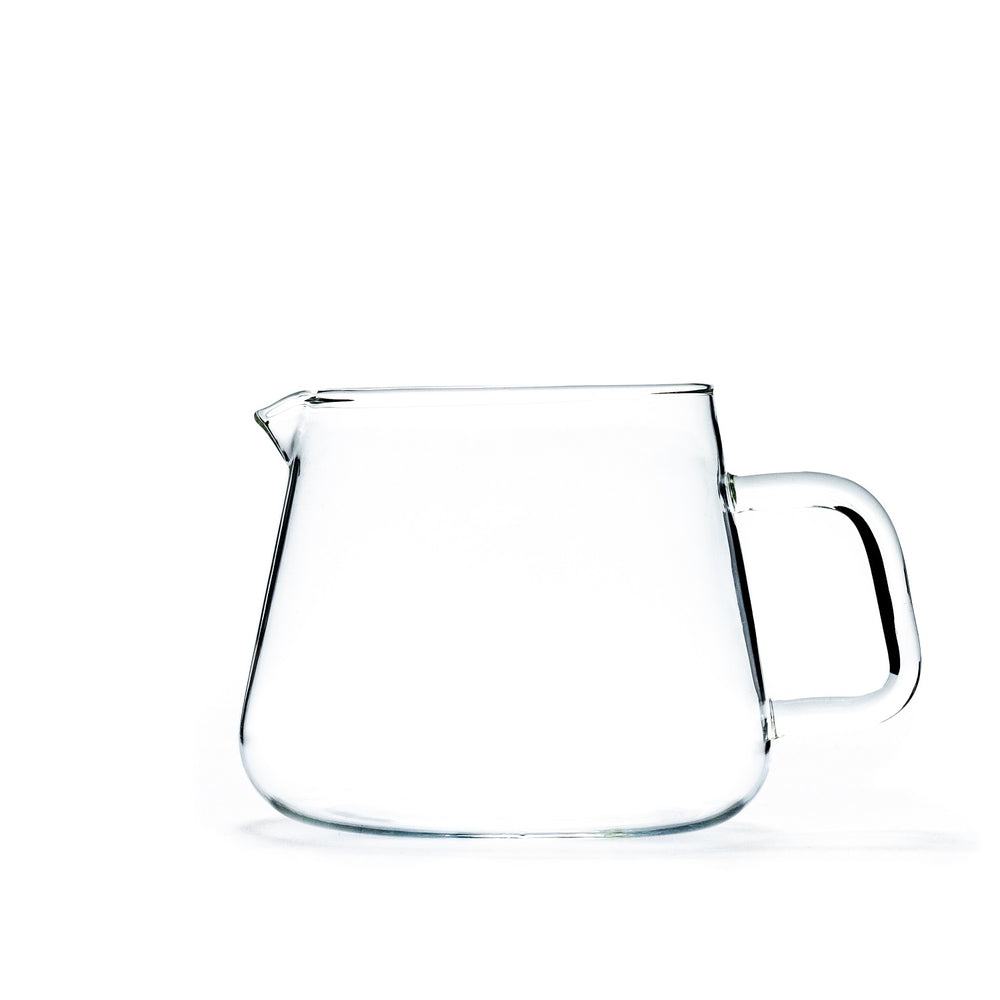 Short and stout, the Tresco Server from Saint Anthony offers a new look to the glass carafe. This server is made of hand blown Borosilicate glass that is both heat resistant and dishwasher safe, to keep your hands free of burns and your sink free of mess.
 -
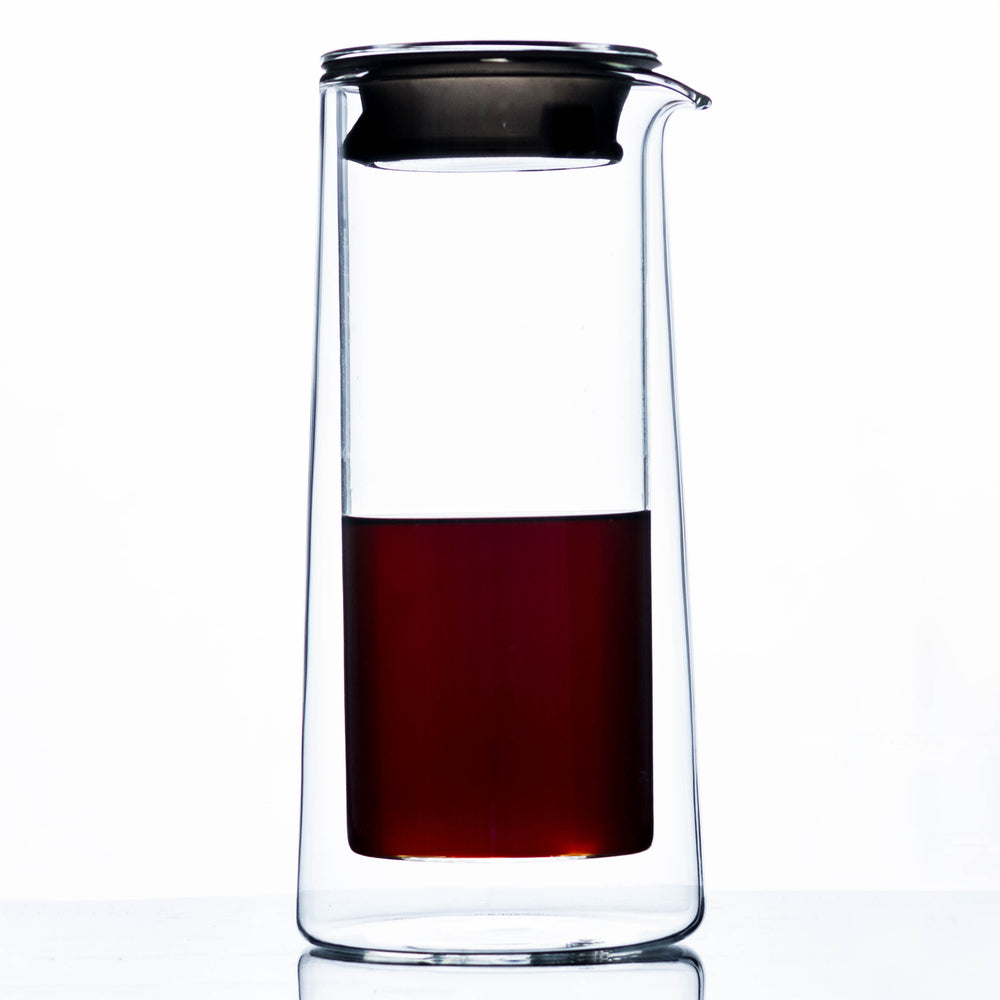 Decanters aren’t just for wine anymore! With the Filibuster Dual Wall Beverage Decanter from Saint Anthony, topping off your cup is easy. Plus, keep your coffee hot!
 -
 Fellow’s Mighty Small Glass Carafe is the perfect companion to your pour-over setup. Made from hand-blown, heat-resistant borosilicate glass and featuring a comfortable cool-touch handle and a sharp no-drip spout, this 500ml carafe is sure to elevate your brewing experience.
 -
 The NotNeutral GINO Server holds 20 oz (600 ml) and features dishwasher-safe, double-walled borosilicate glass for top-notch insulation of hot and cold drinks.
 -
 The Brewing Station is compatible with a wide range of popular drippers and the Aeropress. Its minimalist design and quality components are a seamless fit in any kitchen.


Pour Over vs. Drip Coffee

As we discussed above, pour over and automatic drip coffee exist at two completely opposite ends of the brewing spectrum. While you can use a similar ratio of coffee to water for brewing, and the same temperature for extraction, the primary difference between these two brewing methods has to do with the user involvement as opposed to any tremendous change to recipes. The thing about pour over coffee is that you are directly in control of the flow of water, meaning that you are influencing contact time directly. However, some companies including Chemex and more recently xBloom are producing automatic drip coffee makers that allow customers to put a pour over device underneath the shower heads.
You could argue that this isn’t true pour over coffee as there’s no one standing over the coffee with a kettle. Literally, no one is “pouring over” manually. But, with these machines, you are still using classic pour over devices, just with a bit more aid. For example, The Chemex Ottomatic Coffee Maker is designed for use with a Chemex beneath the water dispensing head. This is a great way to eliminate the human-error variable when brewing on a Chemex. A huge plus: the Chemex Ottomatic Coffee Maker actually comes with a 6-Cup Chemex which you can feel free to use as a manual pour over any time as well.
A staff favorite around here has become the xBloom Original and the newer xBloom Studio. With the xBloom, you can program your exact temperature, pouring schedule, pouring pattern, and even agitation through the accompanying Bluetooth app. Users love the xBloom for its internal conical grinder, stock recipes, xPods (purchased through xBloom directly), highly customizable brew parameters for your own coffee, and slim profile. All of these controllable parameters bring the xBloom as close as you can get to maintaining the artisan nature of pour over coffee while still being automated.
Wrapping Up

The general consensus is that pour over is a much more intense and time consuming brew method, but has the potential to yield tastier coffee. Plus, a pour over promotes freshness; your coffee hasn’t been sitting around in a pot for a while. People often describe “the ritual” of pour over brewing, meaning the steps involved in crafting a cup of coffee. To me, it is indeed a ritual that involves equal parts right-brain and left-brain. After my ritual, my mind is firing on all cylinders from the art, science, and caffeine of a pour over in the morning. Maybe you’ll get the same satisfaction by joining the pour over world!
Photography and Graphics by Grace Walker and Elley Ellison
Related Articles
Beginners Guide to Coffee Grinders

BWT Water Filters for Espresso Machines